


What Credit Score is Needed to Buy a Car?
When it comes to buying a car, your credit score plays a significant role in determining your financing options. If you're considering a new car from Corner Park Garages, understanding your credit score and how it affects car financing can make the process smoother and potentially save you money. In this article, we’ll cover what a credit score is, how it impacts car loans, what credit score ranges mean for you, and provide tips for improving your credit score before making a purchase.
Understanding Credit Scores
What is a Credit Score?
A credit score is a numerical representation of your creditworthiness, essentially summarising your financial reliability. It’s based on your credit history, which includes factors like how promptly you pay bills, your outstanding debts, the types of credit you use, and the length of your credit history. The three major credit bureaus—Equifax, Experian, and TransUnion—collect this information and assign you a score, typically ranging from 300 to 850.
Each bureau may calculate your score slightly differently, but they all rely on similar data. The better your credit score, the more likely lenders are to trust that you'll repay a loan on time, which directly impacts your ability to secure a car loan and the terms of that loan.
Why Credit Scores Matter
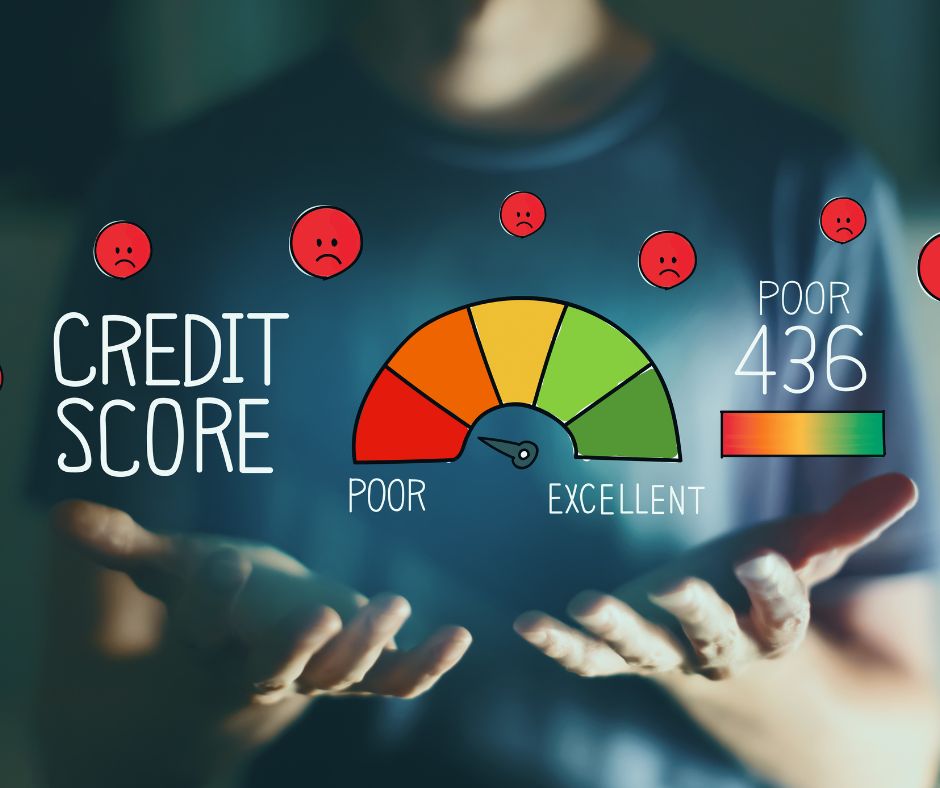
Credit scores are used in various financial decisions, from renting a home to applying for a mortgage, and of course, buying a car. Lenders, including those offering car loans, use your credit score to evaluate the risk of lending you money. A higher score demonstrates responsible financial behaviour, giving lenders confidence that you’re likely to make your payments on time.
For car buyers, this means that a higher credit score opens up better financing options. On the flip side, lower scores may limit your choices or lead to higher interest rates, making the car more expensive in the long run.
How Credit Scores Impact Used Car Finance
Loan Eligibility
Lenders use your credit score as one of the primary factors when deciding whether to approve your car loan. A high credit score generally makes you a low-risk borrower, meaning lenders are more likely to approve your loan application with favourable terms. On the other hand, a low credit score could make it more challenging to get approved, or you may need a co-signer or a larger deposit.
Even if you have poor credit, some lenders specialise in loans for those with low scores, though the interest rates and fees may be higher. If you're looking to buy a car, it’s important to understand where you fall in the credit score range and what that means for your financing options.
Interest Rates
Your credit score doesn’t just determine whether you’ll get a car loan—it also affects how much that loan will cost you. Lenders typically offer lower interest rates to buyers with higher credit scores, which means you’ll pay less over the life of the loan.
For example, someone with an excellent credit score of 750+ might secure an interest rate as low as 3% or even lower. Meanwhile, a buyer with a fair credit score of 650 could be offered a rate of 8% or more. The difference in interest rates could add up to hundreds or even thousands of pounds in extra costs over the loan term.
Credit Score Ranges: What You Need to Know
Your credit score falls into a specific range, and each range comes with its own set of implications for car financing:
Excellent Credit (750+)
If your credit score is 750 or above, you’re in an excellent position. This range allows you to qualify for the best interest rates and loan terms available. You’ll have access to a wide variety of lenders and loan products, and you’ll likely be able to get a loan with little or no deposit.
Good Credit (700-749)
Having a credit score in the 700 to 749 range is still very advantageous. While you may not get the absolute lowest interest rate, you’ll still qualify for competitive rates and terms. Most lenders will see you as a low-risk borrower, and you should have plenty of financing options available.
Fair Credit (650-699)
With a fair credit score, you’re still likely to qualify for a car loan, but your interest rates may be higher. Lenders may see you as a moderate risk, which can lead to higher monthly payments. However, many buyers with fair credit still find financing options that work for them, particularly with a solid deposit.
Poor Credit (below 650)
A credit score below 650 may make it difficult to secure a car loan, but it’s not impossible. You’ll likely face higher interest rates and may need to provide a larger deposit. Some lenders specialise in subprime loans for buyers with poor credit, though these loans often come with less favourable terms.
No Credit
If you have no credit history, it can be just as challenging as having poor credit. Lenders don’t have any information to assess your ability to repay a loan, making them hesitant to offer financing. However, there are options available, such as, seeking out first-time buyer programs, or building up your credit before making a purchase.
Tips to Improve Your Credit Score Before Buying a Car

If your credit score isn’t where you’d like it to be, don’t worry—there are steps you can take to improve it before buying a car. A higher credit score can help you qualify for better loan terms and lower interest rates.
Check Your Credit Report
Start by checking your credit report from all three major credit bureaus (Equifax, Experian, and TransUnion) to ensure that there are no errors. Mistakes on your credit report, such as incorrect payment histories or fraudulent accounts, can negatively impact your score. Dispute any inaccuracies to have them corrected.
Pay Bills on Time
Your payment history is one of the most important factors affecting your credit score. Late or missed payments can significantly lower your score, so make sure to pay all your bills on time, every time. Setting up automatic payments can help ensure that you never miss a due date.
Reduce Debt
Reducing your outstanding debt can improve your credit score. Try to pay down high-interest debts like credit cards, and avoid taking on new debt if possible. Lenders often look at your debt-to-income ratio, so reducing your overall debt can also make you a more attractive borrower.
Limit Credit Inquiries
When you apply for new credit, lenders make inquiries into your credit history. Too many inquiries in a short period can lower your credit score, so be mindful of how often you apply for new credit before purchasing a car.
Build a Credit History
If you have no credit history, building a solid one is key. Consider opening a low-limit credit card or becoming an authorised user on someone else’s account. Just be sure to use credit responsibly and pay off the balance each month to avoid high-interest debt.
At Corner Park Garages, we’re here to help you find the car that suits both your needs and your budget. Whether your credit score is excellent or needs improvement, we have options available to help you finance cars, in Swansea. Understanding your credit score and how it affects your financing options is the first step to making a smart car-buying decision.
Ready to explore your options? Visit us today and let us help you drive away in the car of your dreams!