

Should You Buy a Petrol, Diesel, Hybrid or Electric in 2025?
The automotive landscape in 2025 presents car buyers with more options than ever before, making the decision between petrol, diesel, hybrid, and electric vehicles increasingly complex. With government policies pushing towards choosing electric vehicles, evolving fuel costs, and rapidly advancing technology, understanding the petrol vs diesel vs hybrid debate alongside the growing EV vs petrol cars comparison will help you make an informed decision that serves you well throughout your ownership experience.
Choosing the Right Fuel Type for Your Next Car
The UK automotive market in 2025 sits at a crossroads between petrol vs diesel vs hybrid cars and the electric car future. While the government has set targets for phasing out petrol and diesel vehicles, the transition period offers consumers more choice and complexity in choosing their next vehicle.
Petrol vs Diesel vs Hybrid Options
Petrol: Maintains popularity for affordability and familiarity.
Diesel: Faces challenges from environmental regulations and urban restrictions.
Hybrid: Has matured into a compelling middle ground, offering improved efficiency without range anxiety.
The Rise of Electric Vehicles
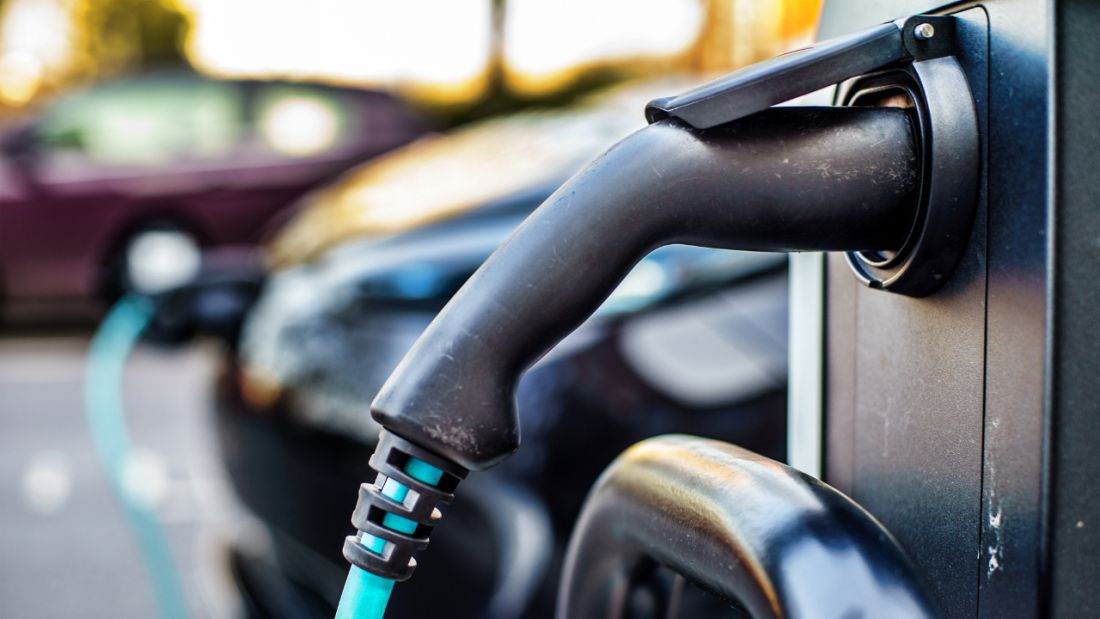
Electric vehicle adoption continues accelerating, supported by improving charging infrastructure. However, factors like purchase price and charging convenience mean electric isn’t the obvious choice for every buyer, especially when comparing EV vs petrol cars, which many drivers are more familiar with.
Petrol Cars in 2025 – Why They're Still Popular
Despite the recent push towards electric vehicles, petrol engines remain the most popular choice for UK car buyers in 2025. The petrol vs diesel vs hybrid comparison often favours petrol for its combination of initial affordability, widespread availability, and straightforward ownership experience.
Purchase prices for petrol vehicles typically undercut hybrid and electric equivalents by significant margins, making them particularly attractive for budget-conscious buyers. The used car market offers extensive selection across all segments, from economical city cars like the Ford Fiesta to practical family hatchbacks such as the Vauxhall Astra, and even performance models like the Volkswagen Golf.
Fuel availability presents no concerns with petrol vehicles. Every petrol station stocks unleaded fuel, eliminating range anxiety or planning requirements associated with electric charging. This convenience proves particularly valuable for spontaneous journeys or irregular routes.
Modern petrol engines have achieved impressive efficiency improvements through turbocharging, direct injection, and variable valve timing. While they can't match hybrid or electric efficiency in urban conditions, the gap has narrowed considerably, especially for motorway driving.
Diesel Cars – Pros, Cons, and UK Restrictions
The diesel landscape in 2025 presents exceptional efficiency tempered by environmental concerns and urban restrictions. The petrol vs diesel vs hybrid debate often sees diesel struggling despite technical advantages, primarily due to air quality concerns and changing public perception.
Diesel engines continue excelling for high-mileage drivers and those regularly towing or carrying heavy loads. Superior torque delivery and fuel efficiency make them ideal for motorway commuting, commercial applications, and large SUVs where their characteristics align with usage patterns. Popular diesel car choices in 2025 include the BMW 3 Series for long-distance efficiency, the Land Rover Discovery for towing and off-road capability, and the Mercedes-Benz E-Class for executive comfort and performance.
Fuel economy remains diesel's strongest argument, with many models achieving 50-60 mpg in real-world conditions. For drivers covering 15,000+ miles annually, fuel cost savings can offset higher purchase prices and potential clean air zone charges.
However, urban restrictions increasingly impact diesel ownership. Many UK cities have implemented clean air zones where older diesel vehicles face daily charges. These restrictions primarily affect pre-Euro 6 diesel cars (generally pre-2015), but trends suggest further tightening of standards.

Hybrid Cars – The Best of Both Worlds?
Hybrid technology in 2025 represents a mature, proven solution addressing many concerns in the EV vs petrol cars comparison while avoiding pure electric driving limitations. Modern hybrid systems offer impressive fuel economy, particularly in urban driving where electric motors handle low-speed operation most efficiently.
Many hybrid vehicles achieve 60+ mpg in city conditions while maintaining petrol power flexibility for longer journeys without range concerns. The driving experience has evolved significantly, with seamless transitions between electric and petrol power creating smooth, refined operation.
Purchase prices have become increasingly competitive as technology matures and production volumes increase. While still commanding a premium over equivalent petrol models, the price gap has narrowed considerably, and used hybrid vehicles offer excellent value propositions when comparing EV vs petrol cars.
Toyota's leadership in hybrid technology means extensive model availability across segments, from the compact Toyota Yaris Hybrid to the spacious Toyota RAV4 Hybrid. Self-charging hybrid systems eliminate range anxiety and charging infrastructure concerns that affect pure electric vehicles.
Maintenance requirements mirror conventional petrol cars, with battery systems designed to last the vehicle's lifetime. Modern hybrid batteries can rarely require replacement and often carry extended warranties, providing peace of mind.
Electric Cars – Are They Ready to Take Over?
As it currently stands, the EV vs petrol cars debate in 2025 shows electric vehicles reaching genuine mainstream viability for many buyers, though significant considerations remain regarding charging infrastructure, purchase costs, and usage patterns.
Running costs prove exceptionally attractive, with electricity costing significantly less per mile than petrol or diesel fuel. Home charging, particularly with off-peak tariffs, can reduce fuel costs down to 3-4 pence per mile compared to 15-20 pence for conventional vehicles.
Charging infrastructure has expanded rapidly, with public charging points available in most locations across South Wales and the wider UK. Popular models like the Nissan Leaf, Tesla Model 3, and Volkswagen ID.3 offer real-world ranges of 200-300 miles, sufficient for most daily requirements.
Purchase prices remain elevated compared to conventional alternatives, though used electric car prices have become more accessible as early lease vehicles enter the second-hand market. Battery degradation concerns have proven largely unfounded, with most batteries retaining 80-90% capacity after several years.
Which Option Is Right for You in 2025?
Determining the ideal engine type depends on your specific driving patterns, budget constraints, and personal preferences. The decision should align with individual circumstances rather than following general market trends.

Choose Petrol If
You prioritise low purchase costs, simple ownership, and drive mixed routes without high annual mileage. Ideal for second cars, occasional drivers, or those on tight budgets.
Choose Diesel If
You cover high annual mileage (15,000+ miles), regularly tow heavy loads, or primarily drive on motorways. Optimal for commercial use and large SUVs.
Choose Hybrid If
You want improved fuel efficiency without range limitations, drive in mixed conditions including urban areas, or desire lower emissions without charging dependencies.
Choose Electric If
You have predictable driving patterns within the vehicle's range, access to home charging, and prioritise minimal running costs. Best suiting urban drivers and company car users.
When choosing your next vehicle, consider your typical journey patterns, parking arrangements, budget constraints, and finance options when making this decision.
Find Your Perfect Car at Corner Park Garages
Whatever powertrain type suits your needs, Corner Park Garages maintains an extensive selection of petrol, diesel, hybrid, and electric vehicles to match your requirements and budget. Our experienced team understands the nuances of each fuel type and can provide expert guidance based on your specific circumstances.
Visit our showroom to compare different engine types firsthand, or browse our online stock to see current availability. Whether you're considering your petrol vs diesel vs hybrid options or exploring the EV vs petrol cars comparison, we're here to help you find the perfect vehicle to drive in 2025 and beyond.