


Essential Tips for Safe Driving in Ice and Snow
Winter Driving Tips
Winter can transform the roads into challenging terrain, especially when covered in snow and ice. Navigating through these conditions requires a set of skills and precautions to ensure a safe journey. In this guide, we'll explore essential tips for driving in icy conditions, covering everything from preparation before you hit the road to handling challenging situations.
Before You Start Your Journey
Check Weather Conditions:
Before starting your journey, stay updated on weather forecasts. If adverse conditions are expected, plan your travel accordingly and consider delaying non-essential trips.
Prepare Your Vehicle:
Before embarking on your winter journey, ensure that your vehicle is in optimal condition. Check the battery, brakes, tyres, and all fluid levels. Cold weather can exacerbate existing issues, so a well-maintained vehicle is crucial for driving on icy roads.
Pack Emergency Supplies:
Prepare for unexpected situations by keeping an emergency kit in your vehicle. This kit should include essentials like an ice scraper, snow shovel, blanket, flashlight, extra warm clothing, non-perishable snacks, and a first aid kit.
Tips for Driving in Ice and Snow
Lower Your Speed:
One of the most crucial tips for driving in ice is to reduce your speed. Slow down and drive at a speed appropriate for the road conditions. This allows you to react quickly to unexpected obstacles and reduces the risk of skidding.
Increase Following Distance:
Maintain a greater following distance than usual to account for the longer stopping distances on slippery surfaces. This extra space provides a buffer in case of sudden stops or skids.
Use Smooth Movements:
Avoid sudden movements, such as sharp turns or quick acceleration. Smooth and gradual movements are key to maintaining control on icy roads. Accelerate, brake, and steer gently to prevent skidding.
Use a High Gear:
When driving in snow, using a higher gear can provide better traction. Start off in second gear to minimise wheel spin.
Frequently Asked Questions:
What helps driving in the snow and ice?
Use winter tires for enhanced grip
Install snow chains for added traction
Clear all snow from your vehicle, including the roof, for improved visibility
Reduce your speed
Use smooth movements
Maintain a safe following distance
When is the worst time to drive in snow?
During heavy snowfall or immediately after, when road conditions are at their most treacherous.
How to Stop Skidding on Ice?
When your vehicle starts to skid on ice, follow these steps to regain control:
Stay Calm:
The key to handling a skid is to remain calm. Driving in icy conditions can be nerve wracking, but panicking can lead to overcorrection, making the situation worse. Take a deep breath and focus on regaining control.
Steer in the Direction You Want to Go:
If your rear wheels are skidding (oversteer), gently steer in the direction you want your vehicle to go. Avoid making sudden or sharp movements with the steering wheel, as this can worsen the skid.
Avoid Slamming on the Brakes:
Resist the urge to slam on the brakes, as this can lock up the wheels and exacerbate the skid. Instead, apply gentle and steady pressure to the brake pedal. If your vehicle is equipped with an anti-lock braking system (ABS), maintain firm pressure on the brake pedal.
Shift to a Lower Gear (if applicable):
If you are driving a vehicle with a manual transmission or have the option to manually shift gears, consider shifting to a lower gear. This can help slow down your vehicle and improve traction.
Look Where You Want to Go:
Keep your eyes focused on where you want the vehicle to go, not on the obstacle or direction of the skid.
Wait for Traction:
As your vehicle begins to regain traction, you may feel it start to straighten out. At this point, you can gently straighten the steering wheel to align with the road.
Practice Preventative Measures:
To minimise the risk of skidding on ice, drive at a reduced speed, especially in icy conditions. Increase your following distance to allow for longer stopping distances, and avoid sudden movements such as sharp turns or quick acceleration.
How Can I Improve my Snow Traction when Driving in snow?
Improving snow traction is crucial for safe winter driving. Here are several tips for driving in snow:
Invest in Quality Winter Tyres:
Invest in a set of winter tyres designed specifically for snowy and icy conditions. These tyres have a unique tread pattern and a softer rubber compound that provides better grip in cold temperatures. Make sure to install them on all four wheels for balanced performance.
Maintain Tyre Pressure:
Keep your tyres properly inflated, as underinflated tyres can reduce traction. Cold temperatures can cause tyre pressure to drop, so check and adjust the pressure regularly according to your vehicle manufacturer's recommendations.
Drive in a Higher Gear:
When driving in snowy conditions, using a higher gear can help minimise wheel spin. This is particularly useful when starting from a stop or climbing a hill. However, use this technique sparingly, as it may not be suitable for all situations. Just make sure to use a lower gear to maintain control when going downhill.
Smooth Acceleration and Deceleration:
Avoid sudden and aggressive movements with the accelerator and brake pedals. Accelerate and decelerate gradually to prevent wheel spin and skidding. Use gentle and controlled motions to maintain traction on snowy surfaces.
Increase Following Distance:
Allow for a greater following distance between your vehicle and the one in front of you. This provides more time to react to changes in traffic and road conditions. Additionally, it reduces the risk of sudden stops that can lead to sliding on snowy roads.
Avoid Cruise Control:
In snowy conditions, it's advisable to avoid using cruise control. You want to maintain control over your vehicle's speed based on the current road conditions, and cruise control may not respond quickly enough to changes in traction.
Drive in Tracks:
If possible, follow in the tracks of the vehicle in front of you. This can provide better traction, as the snow has already been compressed and may be less slippery.
Practice Safe Driving Techniques:
Adopt safe driving habits for winter conditions, such as reducing your speed, using turn signals well in advance, and avoiding abrupt manoeuvres. These practices contribute to overall safety and help maintain control in snowy and icy situations.
How to Navigate Driving in Snow and Ice for the First Time?
Know Your Brakes:
If your vehicle is equipped with an anti-lock braking system (ABS), apply firm, continuous pressure to the brake pedal in the event of a sudden stop. If your vehicle doesn't have ABS, use a pumping motion on the brakes to prevent wheel lock-up.
Stay Informed:
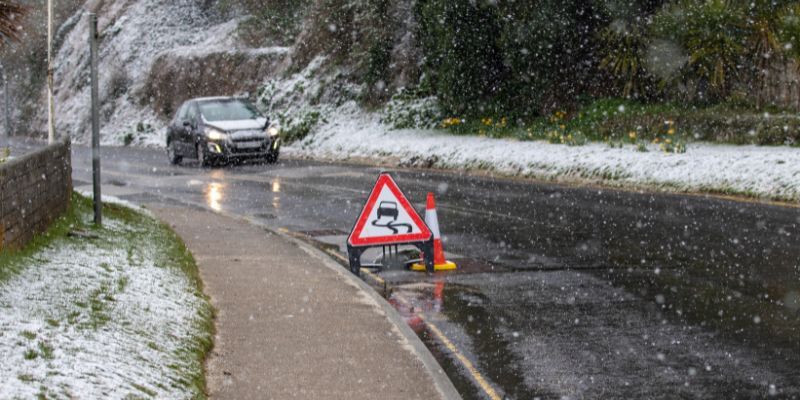
Pay attention to road signs, especially those indicating icy conditions or warnings.
Listen to weather and traffic updates to stay informed about changing conditions.
Plan Your Route:
Choose well-travelled routes that are more likely to be gritted with salt.
Inform someone about your travel plans, including your intended route and expected arrival time and ask friends and relatives if they would be able to help get you to safety should you struggle with the journey.
Drive Safely this Winter
By following these tips for driving in snow and ice and staying proactive in preparing your vehicle for winter driving, you can significantly improve your snow traction and enhance your safety on the roads during the colder months.